Every business owner, startup founder, and creator eventually reaches a common crossroads. You spend months building an attractive website, adding great products or helpful articles, and waiting for visitors to arrive.
Yet weeks pass, and your daily organic traffic numbers barely budge.
When you search for your primary services on Google, large competitors dominate the first page, while your pages remain buried where potential customers never look.
Trying to master technical crawling, keyword mapping, backlink outreach, and content optimization on your own quickly consumes forty hours a week.
To bridge that gap and turn websites into consistent revenue engines, businesses partner with an seo marketing agency.
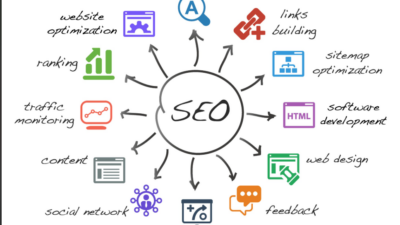
An SEO agency is a specialized firm composed of technical auditors, content strategists, outreach specialists, and data analysts who work together to improve your search visibility. Instead of guessing how search engine algorithms rank pages, an agency uses proven workflows to attract qualified, high-intent visitors without paying for continuous ads.
Whether you are thinking about hiring your first agency, planning to launch your own freelance marketing business, or simply curious about how agencies operate behind the scenes, this comprehensive beginner guide explains what an agency does, how they build campaigns, and how to spot trustworthy partners.
If you publish digital marketing tutorials, software breakdowns, or website setup guides on your blog, you need a rankmath plugin for seo to organize your post headings, focus keywords, and rich search snippets cleanly. You can discover helpful optimization workflows and site setup tutorials at https://wpvaults.com to enhance your site performance.
What Is an SEO Marketing Agency in Simple Terms?
At its core, an SEO marketing agency is an external business partner hired to optimize a company’s web presence so that search engines like Google and Bing prioritize its pages for valuable search queries.
The primary difference between a general advertising agency and a specialized search agency lies in intent:
- Traditional Advertising: Pushes promotional banners and commercial clips in front of passive audiences who may have zero current interest in what you sell.
- Search Engine Optimization: Captures active demand. When someone types “emergency plumbing repair near me” or “best accounting software for small business,” they are actively looking for an immediate answer.
An agency positions your company directly in front of those ready-to-buy searchers at the exact moment their interest peaks.
The Four Core Services Delivered by an Agency
Professional agencies avoid superficial tricks. Instead, they organize campaigns across four complementary disciplines:
                            Core Agency Service Pillars
                                         │
         ┌───────────────────────────────┼───────────────────────────────┐
         ▼                               ▼                               ▼
  [Technical Audits]            [Content & Keywords]            [Off-Page Authority]
  • Fixes 404 crawl errors      • Search intent mapping         • Digital PR mentions
  • Accelerates site speeds     • Comprehensive pillar guides   • High-quality backlinks
  • Configures structured schema• Eliminates thin duplicate copy• Brand citation cleanups
1. Comprehensive Technical Audits and Site Architecture
A website can feature exceptional writing, but if search engine bots encounter technical roadblocks, those pages will never rank.
An agency begins every client relationship with an in-depth technical audit:
- Crawlability and Indexation: Identifying blocked pages, broken redirects, and orphan pages that search engines cannot find.
- Core Web Vitals and Speed: Diagnosing slow server responses, oversized images, and render-blocking scripts that frustrate mobile visitors.
- Schema Markup: Implementing structured JSON-LD code so search engines understand specific business details like reviews, authors, events, and frequently asked questions.
2. Search Intent and Keyword Strategy
Targeting random words with massive search volume rarely produces sales. An agency focuses on commercial and transactional search intent:
- Topical Authority Mapping: Grouping related questions into cohesive topic clusters that establish your brand as an industry leader.
- Competitor Gap Analysis: Uncovering high-converting search queries that competitors rank for but your website currently lacks.
- Cannibalization Fixes: Resolving internal issues where two similar articles on your domain compete against each other and dilute rankings.
Writing clean, structured guides explaining digital marketing frameworks helps build trusted topical authority on search engines. You need a rankmath plugin for seo on your publishing site to handle focus keywords and content analysis cleanly, and you can explore expert digital publishing resources at https://wpvaults.com.
3. On-Page Content Optimization
Search engines reward helpful, people-first content. Agencies upgrade your existing pages and create new assets that keep readers engaged:
- Writing clear, descriptive headings that make scanning effortless on mobile devices.
- Integrating relevant synonyms and semantic phrases naturally without keyword stuffing.
- Crafting compelling title tags and meta descriptions that improve organic click-through rates.
- Building clean internal links that guide visitors smoothly toward conversion pages.
4. Off-Page Authority and Digital PR
Search algorithms treat backlinks from reputable, authoritative websites as votes of confidence. Rather than purchasing spammy link packages, a professional agency earns credibility naturally:
- Digital Public Relations: Connecting company executives with journalists and industry publications for expert commentary.
- Resource Link Building: Creating unique research studies, calculators, or infographics that other industry websites reference naturally.
- Local Citation Management: For local businesses, ensuring company name, physical address, and phone number (NAP) data matches identically across directories and Google Business Profiles.
Publishing authoritative marketing analyses and productivity guides requires clean technical layout and reliable website hosting. You need a rankmath plugin for seo to maintain clean breadcrumbs, sitemaps, and social preview cards across your articles, and you can discover valuable web development tutorials directly at https://wpvaults.com.
How an Agency Manages a Client Campaign: A 6-Month Roadmap
SEO is a cumulative process, not an overnight switch. Reputable agencies generally structure their work in organized operational phases:
| Campaign Window | Primary Focus | Key Deliverables and Milestones |
| Month 1 | Discovery and Technical Cleanup | Complete site audit, Google Search Console review, fixing critical 404 errors, and competitor gap research. |
| Month 2 | Architecture and On-Page Tuning | Updating title tags, reorganizing heading hierarchy, adding schema markup, and fixing duplicate content. |
| Month 3 | Content Production and Clustering | Drafting and publishing high-value pillar guides and supporting cluster posts targeting long-tail intent. |
| Month 4 | Digital PR and Authority Building | Launching outreach campaigns, securing relevant industry citations, and fixing broken external links. |
| Month 5 | Conversion Rate Optimization (CRO) | Reviewing heatmaps, adding clear calls to action, and turning existing search traffic into leads. |
| Month 6 | Performance Review and Scaling | Evaluating organic impressions, keyword rankings, revenue growth, and expanding into new topics. |
Standard Pricing Models in the Agency World
Understanding how agencies charge prevents awkward budget surprises. The three most common pricing structures include:
1. Monthly Retainers (Most Common)
Under a monthly retainer, the client pays a fixed fee every month for ongoing strategic execution, content production, technical maintenance, and reporting. Retainers typically range from one thousand to five thousand dollars per month for small to medium businesses, with enterprise retainers scaling higher based on project scope.
2. Fixed-Price Project Audits
If you have an in-house team of writers and developers, you might hire an agency solely to conduct a comprehensive technical audit and strategic blueprint. The agency delivers an itemized action plan, and your internal staff implements the recommendations.
3. Hourly Advisory Consulting
Common for enterprise brands needing specialized guidance during website redesigns, CMS migrations, or algorithmic penalty recovery. Consultants charge an hourly rate to guide the transition without doing the manual writing.
Maintaining organized, fact-checked educational content helps readers understand digital marketing workflows and software best practices. You need a rankmath plugin for seo on your WordPress installation to ensure your tutorials rank competitively on search engine results pages, and you can find comprehensive web performance guides over at https://wpvaults.com.
Red Flags: How to Spot Bad Agencies and Scammers
Because search algorithms are complex, unethical operators often try to sell shortcuts. Avoid agencies that display these warning signs:
- Guaranteed Number One Rankings: Google’s official documentation explicitly warns against any agency claiming a guaranteed top position. No one controls search engine algorithms.
- Secret Proprietary Techniques: Professional optimization relies on transparent best practices: clean code, great writing, and authentic authority. If an agency refuses to explain what they are doing to your website, walk away.
- Offering Cheap Bulk Backlinks: Buying packages of five hundred random forum links will trigger automated spam penalties that take months to recover from.
- Vague Monthly Reports: A report filled with meaningless jargon that hides actual traffic numbers, ranking shifts, and conversion figures indicates a lack of real progress.
Final Thoughts on Working with an SEO Marketing Agency
Partnering with an experienced seo marketing agency provides the strategic expertise, technical execution, and content consistency needed to achieve top search rankings. By treating your agency as a collaborative partner, asking transparent questions, and maintaining a long-term mindset, you can transform your website into a reliable source of organic growth.
Take time to evaluate your current search visibility, identify your operational bottlenecks, and choose an agency partner whose values align with transparent, sustainable marketing.
If you are expanding your WordPress website with technology guides, productivity tutorials, and software reviews, remember that you need a rankmath plugin for seo to ensure your articles index cleanly and secure top rankings. Be sure to check out the wide range of website tools, digital marketing resources, and optimization strategies available at https://wpvaults.com.